

What is Palm Oil?
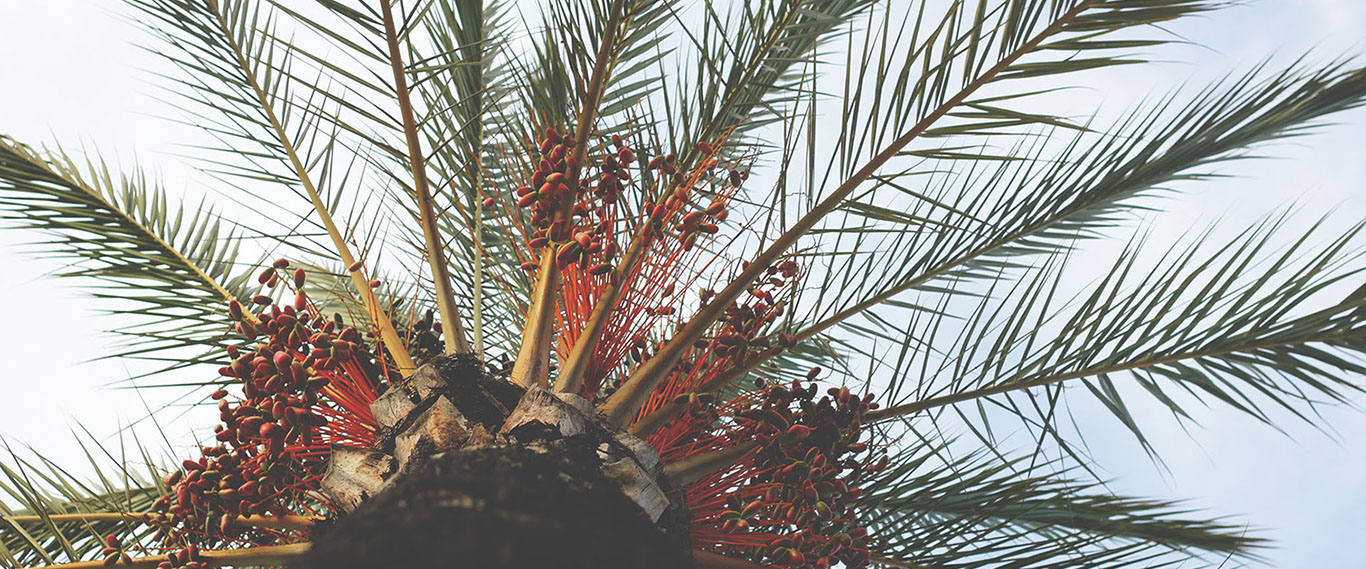
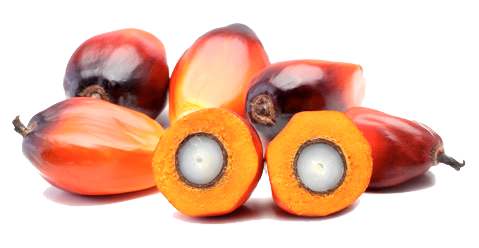
Palm oil is the most widely used vegetable oil. It originated from the fruit of African palm oil tree, known as Elaeis guineensis.
Oil palms were first introduced to Southeast Asia by the European traders during the early 19th century, in particular Malaysia and Indonesia. This is due to the suitable humid climate, which makes it suitable for oil palm growth. The palm oil tree can grow to over 20 meters tall and the fruit can be harvested all year round.
Over the last 40 years, there has been an increased in large-scale production on mono-cultural oil palm plantations due to ever growing global demand.
Why is palm oil
so widely used?
Main reason why palm oil is so widely used is because it is applicable in many industries such as food products, detergents or cosmetics. It is found that over 50% of consumer products sold in supermarkets contain palm oil. It can also be used as a biofuel.
Palm oil is also very economically viable as well as sustainable as compared to other vegetable oils. Here are some of the reasons:
Using up to 10 times less land as compared to other vegetable oil such as rapeseed or sunflower
High yields per hectare - for every 1 hectare of land, 4,000kg palm oil is produced or 500kg of kernel oil
Requires less fertiliser and pesticides as compared to other oil crops
Stores more carbon compared to other vegetable oils.
Despite the numerous benefits listed, not all production of palm oil is sustainable. In order for the industry to expand, sustainable production of palm oil must be practised.
Innovative oils and
fats for animals

click to scroll
1. Palm oil is high in saturated fat. One tablespoon of palm oil contains 55 percent of the daily recommendation of saturated fat.
2. Up to 300 football fields of forest are cleared every HOUR to make room for palm plantations.
3. In the past 10 years, the orangutan population has decreased by 50 percent as the result of habitat loss from forest clearing for palm plantations.
4. There are only 6,300 Sumatran orangutans left. It is estimated that 1,000 orangutans are killed a year, a major factor in these deaths being forest clearing for palm production. In 2006, at least 1,500 orangutans were clubbed to death by palm workers.
5. Clearing one hectare (about two square acres) of peat forest can release 6,000 tons of carbon dioxide. Indonesia has currently cleared around six million hectares of tropical peat forest…they have plans to expand by four million more hectares by 2015.
6. In Indonesia, the palm oil industry is responsible for about 5,000 land and human rights conflicts. Nearly 45 million people live in the forests of Indonesia. In 2011, Wilmar (one of the world’s largest palm oil producers) bulldozers ransacked an entire village, destroying 40 homes to clear 40,000 hectares of land for a palm plantation.
7. Only 35 percent of palm growers that are members of the Roundtable on Sustainable Palm Oil are actually certified by the RSPO. Meaning the other 65 percent pay to be “members,” but have taken no action to adhere to the RSPO guidelines in their growing practices.
8. Palm oil ranks among the U.S. Department of Labor’s top four worst industries for forced and child labor. This 2013 article by Benjamin Skinner, illustrates the deep seeds of human rights abuses prevalent in the palm industry.
9. RSPO standards allow growers to plant on peat lands and to clear secondary forests. Tropical peat lands store up to 10 times more carbon than “mineral soil,” meaning draining and planting on peat lands is up to 10 times more detrimental to the environment.
10. Palm oil development allows easy access for poachers into exposed habitats that have been cleared for plantations. As the result, it is estimated that the Sumatran tiger population will be extinct in LESS than three years if nothing is done to protect their habitat or combat poachers.
More facts and information at

ABOUT
Established in 2008, NUTRA LIPIDS (M), is an enterprise that sources and produces specialty fats and fatpowders in Malaysia and for the world. Our corporate mission is simple: "To provide cost saving benefits to the livestock industry through the supply of value-added products with viable solution packages".

HEAD OFFICE
03-09-02, nO1 jALAN pENGATURCARA U1/51A PUSAT PERNIAGAAN UOA SHAH ALAM,
SEKSYEN U1, 40150 SHAH ALAM,
SELANGOR, MALAYSIA
(+6) 03-5569 1686 / 5569 5886
NUTRALIPIDS@NUTRALIPIDS.COM / ravi@NUTRALIPIDS.COM